Prolonging System Life: Advanced Lawn Sprinkler Maintenance Finest Practices
A well-kept watering system can run easily for twenty years or even more, also in tough water and hefty clay dirts. I have actually seen business rotors still rotating real at year 18 due to the fact that the owner committed to careful water administration and disciplined evaluation. I have also seen five-year-old systems that looked twice their age, heads leaning like fence articles in springtime thaw, shutoffs chattering versus debris, and controllers readied to summer timetables in October. Long life is not good luck. It is the outcome of audio installation, targeted sprinkler upkeep, and the willingness to fix small problems before they worsen right into pricey sprinkler repair.
Start with the bones: installation options that pay dividends
The easiest service call to prevent is the one caused by bad layout. If you inherit a system, you play the hand you are dealt. If you are still in design or thinking about upgrades, get the fundamentals right.
Uniform rainfall beats raw pressure whenever. On lawn, stick to neck and neck insurance coverage at matched precipitation rates, specifically on slopes. The primary driver of uneven wear is mismatched nozzles that compel owners to overwater to cover completely dry areas. That implies more run time, even more cycles, and faster aging. Tighten pipe directing anywhere crossings with utilities increase danger. Glue joints properly primed and cured for the complete collection time are still the best insurance coverage against crying leaks that erode dirt around heads.
For new lawn sprinkler installment, specify swing joints on all pop-ups in turf and hedge adapters with proper riser height in growing beds. Swing joints protect against lateral pipeline tension when mowers or feet strike a head, converting a possibly fractured suitable right into a minor placement touch-up. Consist of stress law as a style default, whether via PRS heads, inline regulators, or high-efficiency shutoffs. A 5 to 10 psi reduction, when stress is above target, conserves water and calms misting that speeds up nozzle wear.
One last installation note that pays lasting: oversized valve boxes with crushed rock sumps. Ample room around solenoids and fittings indicates you are not reducing and rebuilding every single time you require to alter a diaphragm. A clean, completely dry box expands element life and lowers callbacks.
Water quality and hydraulics, the twin pressures that mature a system
Two points calmly age watering components: the water flowing via them and the stress that drive it. If your source water carries grit, iron, or calcium, the inner surfaces of nozzles and shutoffs will certainly scale and abrade quicker. If your static stress differs wildly from vibrant stress, that continuous series of forces will certainly nick seals and tiredness diaphragms.
Test source water once, after that retest every two to three years or after utility changes. When iron goes beyond roughly 0.3 ppm or firmness runs over 120 ppm as CaCO3, scale and discoloration speed up. You can fight back with upstream filtering, zone-level screens, or regular acid flushing in non-planting months. Many sites can get by with a 120 mesh Y-filter ahead of micro-irrigation and a 60 to 80 mesh ahead of spray zones. Cleanable stainless elements cost a lot more, yet they handle repeated service with much less risk of tearing compared to plastic screens.
On hydraulics, measure fixed pressure at a tube bib or test port, then measure dynamic pressure under flow, preferably at the farthest head in a zone. The delta tells you concerning friction losses and the probability of heads depriving, which pushes owners to prolong runtimes. And when static stress rests 15 psi over a nozzle's optimal band, misting becomes a fog that trips off in light wind. That not only drainages, it scours nozzle orifices quicker. Stress guideline at the valve or head levels those peaks and lowers wear.
Seasonal rhythm issues more than any solitary tune-up
Systems last lengthiest when maintenance adheres to the environment, not the calendar alone. Assume in phases: pre-season checks, mid-season changes, late-season protecting. Each moment has a job to do.
In spring, the soil is saturated and breakable in several regions. Transforming a system on at complete tilt compacts soil around laterals and can lean heads. Rather, bring pressure up slowly. Open up master valves delicately. Purge lines zone by area with heads topped or nozzles eliminated to air vent debris. Inspect for winter months heave, particularly where freeze-thaw cycles are common.
Mid-season, alter runtimes as plant need climbs, then falls. Routines embeded in June often remain in position with September out of ease. That additional water not just stresses plants, it boosts cycle matters and unlocks to erosion around heads. If you utilize weather-based controllers, treat them as smart assistants, not foolproof pilots. Validate their results as soon as a month versus soil dampness and plant performance.
Late period, shield. Short days and low sun minimize evapotranspiration greatly. Numerous lawn areas require half the summer season runtime by early loss, often much less. Decrease runtimes before temperatures drop to protect origins and decrease illness stress. Then prepare the system for inactivity with correct blowout strategies or valve draining pipes, relying on climate.
A disciplined start-up protocol
A systematic startup has conserved me much more repairs than any type of solitary habit. New growth conceals misaligned heads. Winter months heave tweaks elevations. The lure is to run all zones for 5 mins and call it excellent. Stand up to that shortcut.
Here is a streamlined startup checklist I show staffs:
- Pressurize the primary gradually and check the water meter for activity with all areas off. Any kind of spin shows a leak or open valve.
- Flush each lateral with nozzles eliminated or caps off, after that reinstall nozzles after water runs clear.
- Set all heads to quality and plumb, validate rotation arcs, and replace used wiper seals that leak during stem travel.
- Verify dynamic stress at one representative head per area and note it for year-over-year comparison.
- Run short test cycles and observe spray pattern in calm problems to capture misting, shadowing, or reduced head coverage.
That short series, done when per period, captures 80 percent of looming problems prior to they cost you water or components.
Nozzles, arcs, and the physics of droplets
Nozzles are consumables, not life time elements. By year 5 to 7 on hectic zones, the orifices usually reveal wear symmetrical to run hours and water top quality. You will certainly see follower tails thin at the edges, or the bead spectrum will certainly skew towards fines that wander away. The repair is basic: change with matched rainfall nozzles, and seize the day to fix arc settings. Prevent the temptation to compensate for bad layout with bigger nozzles on a single head. That creates localized overwatering and boosts torque on the turret, shortening blades life.
If wind is common in the afternoon, routine irrigation for early morning and pick low-angle nozzles on issue boundaries. A basic swap to a 10-degree trajectory can lower drift loss, boost circulation harmony, and reduce the demand for extensive runtimes that mature the system faster.
Heads that lean, resolve, and seize
Pop-up heads choose to live at grade, upright, with a clean wiper seal. Fact is messier. Lawn mowers catch sides, compost builds, soil resolves. Every lean takes range and distribution. I bring a basic policy: if a head is more than 5 levels off plumb or more than half an inch low or high about bordering quality, reset it. Lift with a shovel, settle the base, portable delicately in lifts, and set the top ring flush.
Sticking risers that moan heading up commonly suffer from grit in the body or a torn seal. Dismantle and rinse, evaluate the spring for rust, and change seals on heads with high run hours. If a particular place sees repeated contamination, that is an idea to include an area filter or address a fractured side inviting soil intrusions.
Valves: diaphragms, solenoids, and the art of quiet control
Valves age in predictable means. Diaphragms stiffen or tear. Solenoids rust at terminals or create intermittent coils. Circulation controls drift out of the sweet place. When a valve babbles or stops working to shut easily, stand up to cranking the flow control shut till the sound stops. That conceals the underlying problem and starves downstream heads. Instead, isolate and flush. Eliminate the bonnet, clear particles, inspect the diaphragm for pinholes or folds, and check the seat for nicks. Replace with OEM parts when feasible, especially on older assemblies where tolerances differ.
Label every valve lid with paint or a sturdy tag, consisting of zone number and serviced day. It sounds fundamental, but the 10 mins spent protects against uncertainty later on and maintains future lawn sprinkler repair service efficient.
Controllers and wiring, where tiny mistakes produce huge headaches
The controller cupboard typically mirrors the system's health and wellness. Neat conductors with proper splices and waterproof gel ports have a tendency to correlate with fewer intermittent mistakes. When fixing a dead zone, measure resistance on the typical and zone cable back to the valve. Normal solenoids generally review in the 20 to 60 ohm range, depending upon the brand. A boundless analysis recommends a break. A close to no analysis hints at a short. Record these worths and compare yearly. A creeping increase can foreshadow rust at a splice.
For wise controllers, calibrate site-specific criteria rather than accepting the defaults. Program the proper rainfall price for each zone based upon nozzle graphes, and dial in dirt kind, origin depth, and allowed deficiency utilizing observed plant behavior, not just book worths. Smart scheduling that assumes your clay loam is sandy soil will certainly mis-time cycles and press additional wear on components.
Sensors that save water, and just how to keep them honest
Rain, freeze, and soil moisture sensors expand part life indirectly by decreasing unneeded runtime. They only help if they are clean, adjusted, and sited properly. A rainfall sensor buried under a dense eave or shaded by an evergreen cover will report fiction. Mount it where it sees the exact same skies as your grass. Test annually with regulated water, note journey thresholds, and replace desiccant or disks as needed.
Soil wetness sensors add nuance, however they are not install-and-forget. Place them at depictive midsts for the target plant, prevent rooting dead areas near foundations, and recalibrate after significant landscape changes. Their analyses need to line up with a screwdriver test in the dirt. If the sensor claims wet and your screwdriver comes up completely dry, think the screwdriver and troubleshoot.
Pressure policy expands life as much as it saves water
Fast-moving water multiplies every issue. At 70 psi via a spray nozzle created for 30 psi, you obtain fog rather than droplets and enormous drift. More crucial for longevity, you also obtain accelerated seal wear, higher torque on blades, and chronic shutoff stress. I have converted lots of zones to pressure-regulating heads or added valve-level regulators, and the most typical owner comment is not concerning water savings, it has to do with security. Less callouts, less heads knocked off positioning by hazy overspray that lured lawn mowers more detailed, fewer arbitrary squeals at area start.
Target stress matter. For typical sprays, 30 psi is a typical pleasant place. For rotors, 45 to 55 psi depending on model. For high-efficiency nozzles, comply with the maker's band. Validate at the head with a pitot or scale riser, not simply at the valve.
Filtration and flushing protocols for filthy sources
Surface water and old iron mains lug a great deal of surprises. Keep debris out with staged filtering as opposed to a solitary, extremely fine cartridge that plugs weekly and gets bypassed in irritation. A screen or disc filter at the factor of link to 60 to 120 mesh safeguards most spray and drip systems. Then, include zone-level displays where you see repeated nozzle blockages. Train staffs to backflush filters on a timetable matched to water quality and run hours, not simply when circulation drops.
When areas show persistent blocking, run them in flush setting after trenching or landscape job. Pull nozzles, cap stems with flush caps or leave them open briefly, and run till the line gets rid of noticeably. The thirty minutes spent frequently conserves hours of random obstruction searching later.
Leak discovery and the refined indications of trouble
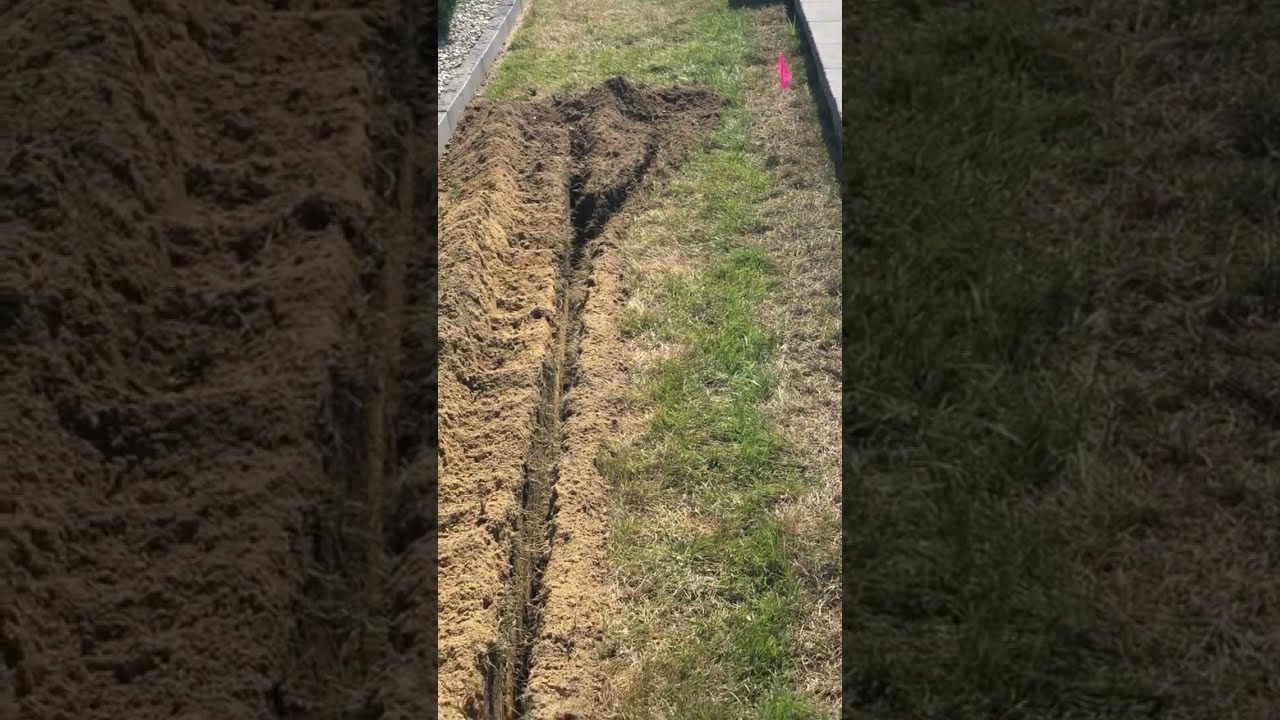
Not all leakages reveal themselves as hot springs. Lawn discoloration in a crescent shape around a head commonly suggests a side crack a couple of feet upstream. The wettest location marks the most affordable factor, not necessarily the break. Enjoy the water meter when areas are off. A slow spin indicates a mainline leakage or a shutoff passing slightly. If the meter holds constant for an hour yet you see mushy soil at a box, presume a localized lateral or a box without water drainage instead https://troytpwj169.opalvector.com/posts/when-to-change-vs-repair-service-making-the-right-lawn-sprinkler-choice of a whole-system issue.
Acoustic listening can help on larger homes, however a sharp spade and patient penetrating typically resolve most residential and light commercial leaks. When repairing laterals, cut out more pipe than really feels essential, deburr, and sustain the joint so it does not relax in a future void.
Documentation transforms maintenance right into a compounding asset
The distinction between guesswork and stewardship is a proof. Track head counts, nozzle kinds, shutoff versions, controller setups, stress analyses, and service dates. Great records allow you detect patterns: a particular valve family members that fails beforehand high-pressure sites, or a bed that ingests heads every springtime due to the fact that the dirt needs structural amendment.
If you are developing your initial log, catch these basics:
- Zone-by-zone nozzle kinds and precipitation prices, plus target run times for peak season.
- Valve places with photos, design numbers, and last diaphragm adjustment date.
- Dynamic stress at representative heads and static pressure at the point of connection.
- Filter kinds, mesh rankings, and solution intervals including backflush dates.
- Sensor placements, calibration dates, and observed limits for shutdown.
Digital is fine. A simple shared spreadsheet with pictures works in addition to specialized software as long as someone updates it. What matters is continuity.
When to repair and when to replace
There comes a point where piecemeal repairs set you back more than a targeted upgrade. If a zone has actually mixed spray bodies from 3 periods, a lots adapters, and no stress guideline, your repair service bucks go after symptoms. Replacing that area's heads with pressure-regulating models and matched precipitation nozzles can prolong life and cut runtime. On shutoffs, if diaphragms fall short in clusters and hoods show stress whitening, you are likely near the end of service life for that line. Restore packages can get another five to 7 years, but just if the seats continue to be clean and unscarred.
Controllers tend to last a decade or more. If irrigation requirements have actually expanded complicated, or you are regularly overriding a standard clock to match weather condition, an upgrade to a weather-responsive system with correct website calibration might reduce run hours 10 to 30 percent. Less hours equate to longer part life.
The business economics of prevention
Most proprietors track water costs, fewer track component depreciation. A typical household system with 8 to twelve areas might see $150 to $400 per year in parts if ignored, commonly in three or four emergency phone calls. A self-displined routine of assessment, filter solution, and little parts replacement may run fifty percent that, with the included benefit of minimized water use. On industrial turf with lots of rotors, the cost savings scale up. I have seen metropolitan sites reduced repair work events by a 3rd in 2 seasons simply by imposing pressure regulation and exchanging used nozzles on a schedule.
When budgeting, alloted a percent of annual water spend for positive lawn sprinkler maintenance. A guideline I provide centers teams is 15 to 25 percent of the water costs as a maintenance book. In high-cost water areas, you may spend that on filtering and stress control in year one, then gain both water and repair work financial savings thereafter.
Edge instances that examine your plan
Not all websites are produced equivalent. Reclaimed water commonly carries higher solids and variable stress. Salt material can stiffen diaphragms quicker. For those websites, upsize purification, tighten solution intervals, and keep added seals accessible. Coastal wind patterns say for low-angle nozzles and even more mindful scheduling. Steep inclines force short, duplicated cycles, enhancing shutoff procedures. There, prioritize high-reliability valves and take into consideration damaging areas into micro-slope areas to reduce cycle matters per valve.
In dry environments with big everyday temperature level swings, rubber elements cycle through expansion and contraction more aggressively. Expect seals to age out a period or two earlier than in temperate areas. Reduce with color on controllers, clean electrical links, and components bins matched to your environment.
Training the hands that touch the system
Even the very best strategy stops working if the people preserving the system are hurried or untrained. A 30-minute tailgate session at the beginning of spring covering basic placement, stress checks, and paperwork criteria repays promptly. Encourage teams to take care of minor issues right away as opposed to deferring to a later browse through. A leaning head fixed during evaluation prevents scalping, which avoids a busted riser, which avoids a weekend break emergency.
If you deal with a contractor, make assumptions explicit. Request a springtime start-up record with stress, head counts by kind, and pictures of any kind of significant problems. Specify response times for leaks and write into the arrangement that nozzles will be changed with matched rainfall kinds, not whatever remains in the truck bin.
Safety and care around utilities and structures
Irrigation repairs typically mean excavating. Call utility locators where called for, also for superficial work in unfamiliar ground. Prevent trenching near tree trunks to secure flare roots, and never ever cover a head tight to a trunk to "streamline" insurance coverage. Roots and bark will expand over it, capturing the head and guaranteeing breakage.
At structure borders, purpose spray far from exterior siding and foundations. Water that sheets down a wall surface for several years will certainly tarnish, rot trim, and trigger pest issues. Adding a dripline in beds against frameworks and retiring the closest spray head usually eliminates risk and decreases part matter, which extends life.
A few lived lessons from the field
An institution district had persistent break downs on a field with 72 blades. The prompt wrongdoer appeared to be children tipping on heads near the sidelines. The underlying trouble was pressure. Fixed pressure at the point of connection sat at 95 psi, dynamic at the far heads was still over 80 psi. Misting was rampant, arcs were inconsistent, and seals stopped working early. We included a 60 psi regulatory authority on the primary branch and transformed the most awful zones to PRS rotors. Malfunction calls visited half the next period, water use come by roughly 18 percent, and seal replacements virtually stopped.
On a small HOA, a freshly landscaped slope deteriorated every spring. The landscaping company condemned rains. The genuine cause was a mix of 15-foot nozzles and 12-foot arcs on the very same zone, requiring long runs that bewildered the incline. We converted to matched precipitation, low-angle nozzles and set cycle-and-soak with four brief cycles. The incline held, plant vitality boosted, and runtime decreased. Extra notably for long life, shutoff cycles were foreseeable and much shorter, reducing chatter and diaphragm wear.
Pulling it together
Long life in an irrigation system is never ever about a solitary trick. It is the aggregation of reasonable options, from lawn sprinkler installation details to measured seasonal modifications. Get water quality in control. Manage pressure to what your nozzles anticipate. Replace nozzles on a routine before spray patterns degrade. Keep heads at grade, upright, with clean seals. Solution valves with patience and the best components. Adjust controllers and sensors based on observed conditions, not marketing copy. And file every little thing so you can learn from the system's history instead of relearning the very same lesson each season.
Treat sprinkler maintenance as a craft. The system will certainly compensate you with fewer surprises, healthier landscapes, and parts that age with dignity instead of prematurely.